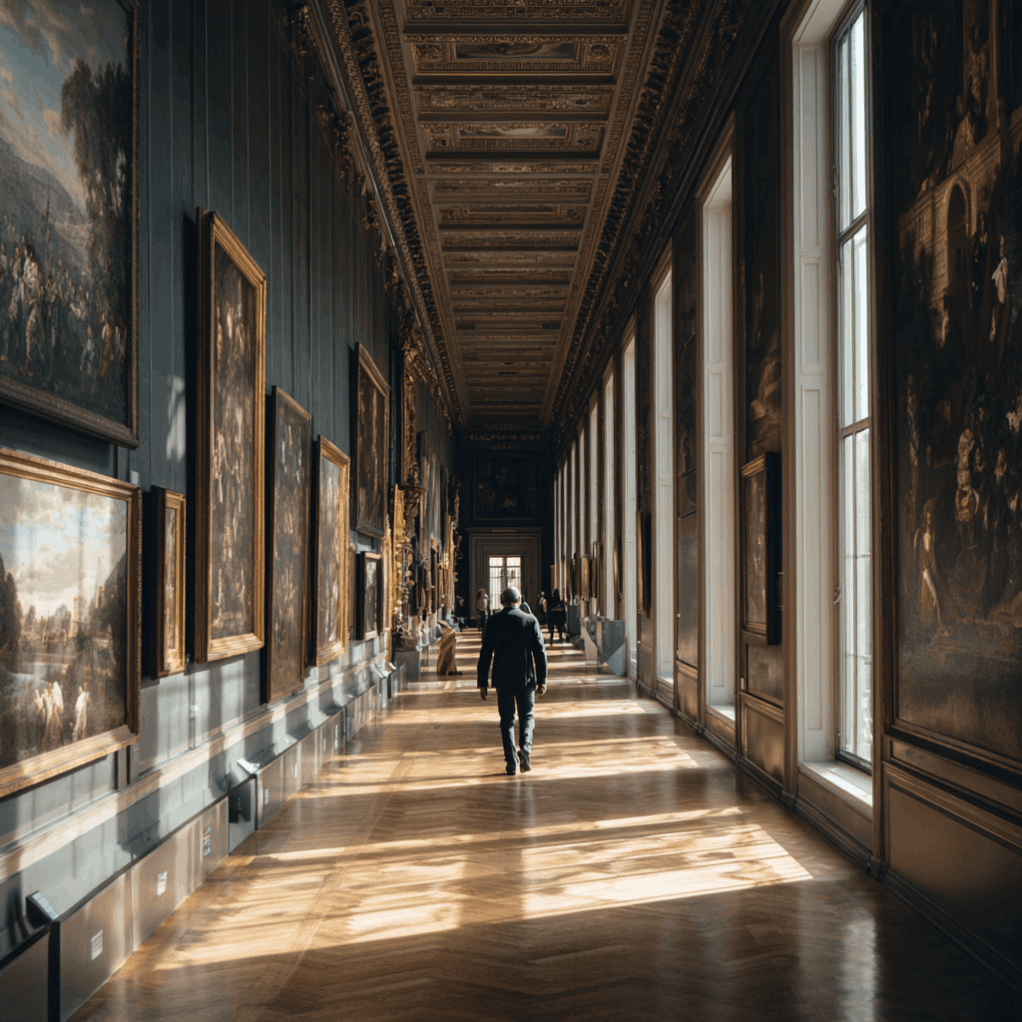
Start by doing a little homework before you go. Look at the museum’s website or map and pick three to five sections or exhibitions that actually interest you. Don’t try to see the entire place in one visit. Big museums especially can easily take a full day or more, and after two hours most people stop absorbing new information anyway.
Decide on your main focus for that day. Maybe you want to understand the history of a certain period, or you are drawn to one particular artist, or you just want to enjoy beautiful old paintings. Having one clear theme helps you move with purpose instead of drifting from room to room.
When you arrive, take a few minutes to study the floor plan properly. Identify the must see pieces but also mark quieter galleries where you can slow down. Popular rooms with famous works are often crowded, so plan to visit them early or near closing time when fewer people are around.
Move slowly and intentionally. Spend more time with fewer artworks rather than trying to glance at hundreds. Stand in front of a painting for a few minutes and ask yourself simple questions: what catches my eye first, what story is the artist telling, how does the light or colors make me feel. This small habit helps the experience stick in your memory much longer.
Bring a small notebook or use your phone to write down one or two thoughts about the pieces you liked most. You don’t need long essays, just a few words or even the name of the artwork. Later these short notes become surprisingly powerful reminders of the visit.
Take regular breaks. Museums are mentally tiring even if you don’t notice it right away. Sit down in a quiet corner, have a coffee, or step outside for fresh air if possible. Short pauses actually help you enjoy the next rooms more.
If the museum offers guided tours or audio guides, use them wisely. Listen to short sections about specific works instead of the full tour. Sometimes the official explanation is good, but other times your own thoughts and feelings about the art are even better.
Avoid the common mistake of trying to see everything or following someone else’s “top 10 must see” list too strictly. Your personal connection to the art matters more than checking off famous names. Some of the best moments happen in smaller, less crowded rooms with works you discovered by yourself.
After the visit, take ten minutes the same day or the next morning to review your notes or photos. Think about what surprised you or moved you. These small reflections turn a simple museum trip into a deeper cultural experience that stays with you long after you return home.
Choosing a smart museum route is not about seeing more, it is about seeing better. Focus on quality over quantity, move at your own pace, ask yourself questions, and give yourself permission to skip things that don’t interest you.
Do this a few times and visiting museums becomes one of the most rewarding parts of any trip instead of something tiring or obligatory. You start to really feel the culture instead of just walking past it.
Try these strategies on your next museum day and see how much richer the whole experience becomes. Less rushing, deeper understanding, and memories that actually last. That is what turning art into lasting memories really means.